
Your grandmother’s doctor gave the same advice to everyone: eat less, move more, get eight hours of sleep. It was one-size-fits-all medicine in a world of unique bodies, genetics, and lifestyles. Fast forward to 2025, and healthcare is experiencing a revolution so profound that future generations will look back at our old system the way we look at bloodletting.
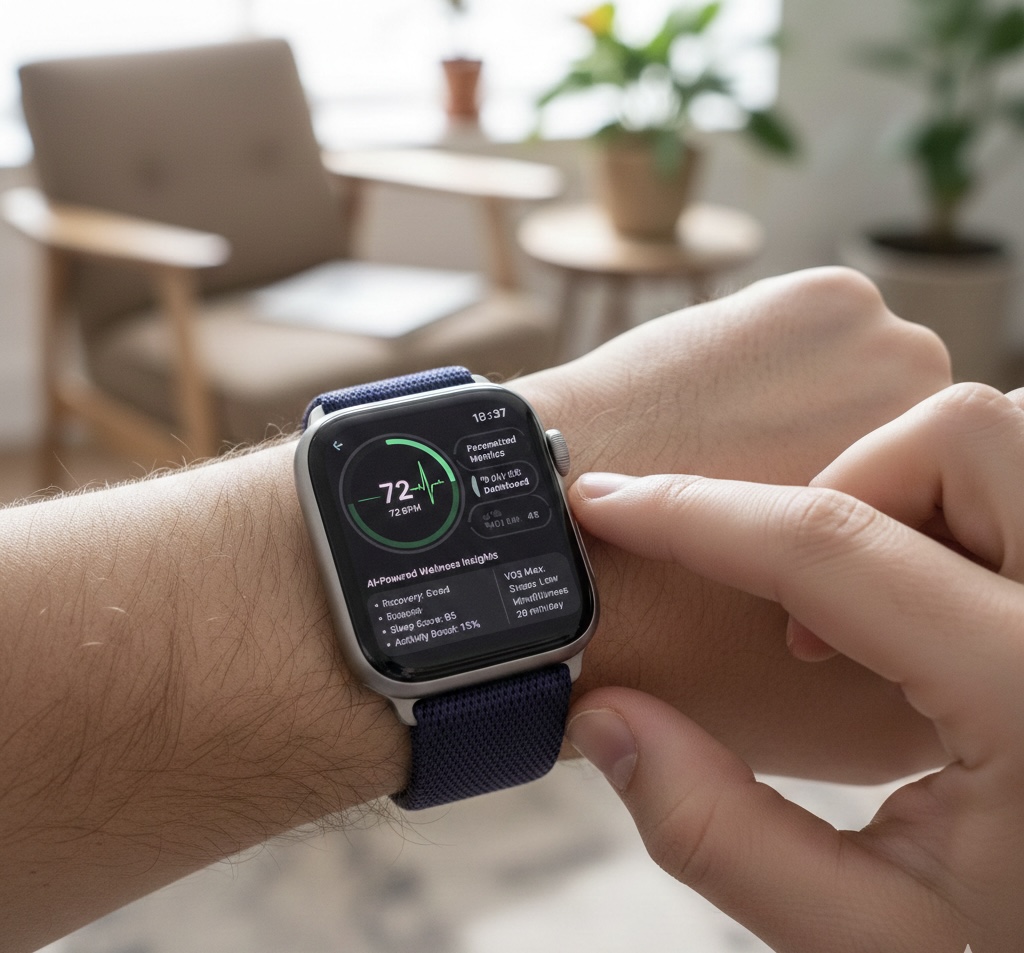
Artificial intelligence is transforming healthcare from standardized protocols to truly personalized wellness. Your Apple Watch knows when your heart rhythm is off before you feel symptoms. AI nutrition apps create meal plans based on your specific metabolic response to foods. Virtual health assistants predict when you’re getting sick before you reach for the tissue box.
This isn’t science fiction—it’s happening right now. Let’s explore how AI is making healthcare personal, predictive, and more effective than ever before.
Important Disclaimer: This article provides information about AI healthcare technologies for educational purposes only. Nothing in this article constitutes medical advice, diagnosis, or treatment recommendations. Always consult qualified healthcare professionals for medical decisions. AI tools should complement, not replace, professional medical care.
The Shift from Reactive to Predictive Healthcare
Traditional healthcare has always been reactive. You feel sick, you see a doctor, you get treated. It’s like calling a plumber only after your basement floods. AI is flipping this model entirely, moving us toward predictive, preventive wellness.
Why Personalization Matters in Medicine
Here’s an uncomfortable truth about traditional medicine: most treatments are based on population averages, not individual needs. That cholesterol medication? It was tested on thousands of people, and it works for most of them. But “most” isn’t “you.”
Your body metabolizes drugs differently than your neighbor’s. Your inflammation markers respond to different triggers. Your sleep patterns, stress levels, genetic variations, and lifestyle factors create a unique biological fingerprint that generic protocols can’t fully address.
AI excels at exactly what traditional medicine struggles with—analyzing massive amounts of individual data to identify patterns and make predictions tailored specifically to you. It can process your genetic information, daily habits, environmental factors, and health history simultaneously to create recommendations that actually fit your life.
The Data Revolution Behind Personalized Wellness
Every time your smartwatch records your heart rate, every meal you log, every step you take generates data. Individually, these data points mean little. Collectively, they tell a detailed story about your health that would take a human doctor months to piece together—if they had the time.
AI algorithms can detect subtle patterns in this flood of information that humans simply can’t see. They notice that your resting heart rate tends to spike three days before you get a cold. They observe that your sleep quality drops on days when you eat certain foods. They recognize early warning signs of chronic conditions years before symptoms appear.
This continuous monitoring and analysis means healthcare is no longer something that happens during your annual physical. It’s happening right now, constantly adapting to who you are and how you’re living today, not who you were last year or what worked for the average patient.
5 Ways AI is Personalizing Your Wellness Journey
Let’s get specific. Here’s how artificial intelligence has already changed healthcare for millions of people in 2025, with real tools you can use today.
1. Wearable Tech That Actually Knows You
Remember when fitness trackers just counted steps? Those days feel ancient now. Modern wearables like the Apple Watch Series 10 and Oura Ring Gen 4 are sophisticated health monitoring systems that learn your unique baselines and alert you to meaningful changes.
Apple Watch: Your Personal Health Guardian
The latest Apple Watch uses AI to continuously monitor dozens of health metrics simultaneously. It tracks heart rate variability, blood oxygen levels, sleep stages, body temperature variations, and even irregular heart rhythms. But the magic isn’t in collecting data—it’s in the AI’s ability to understand what’s normal for you specifically.
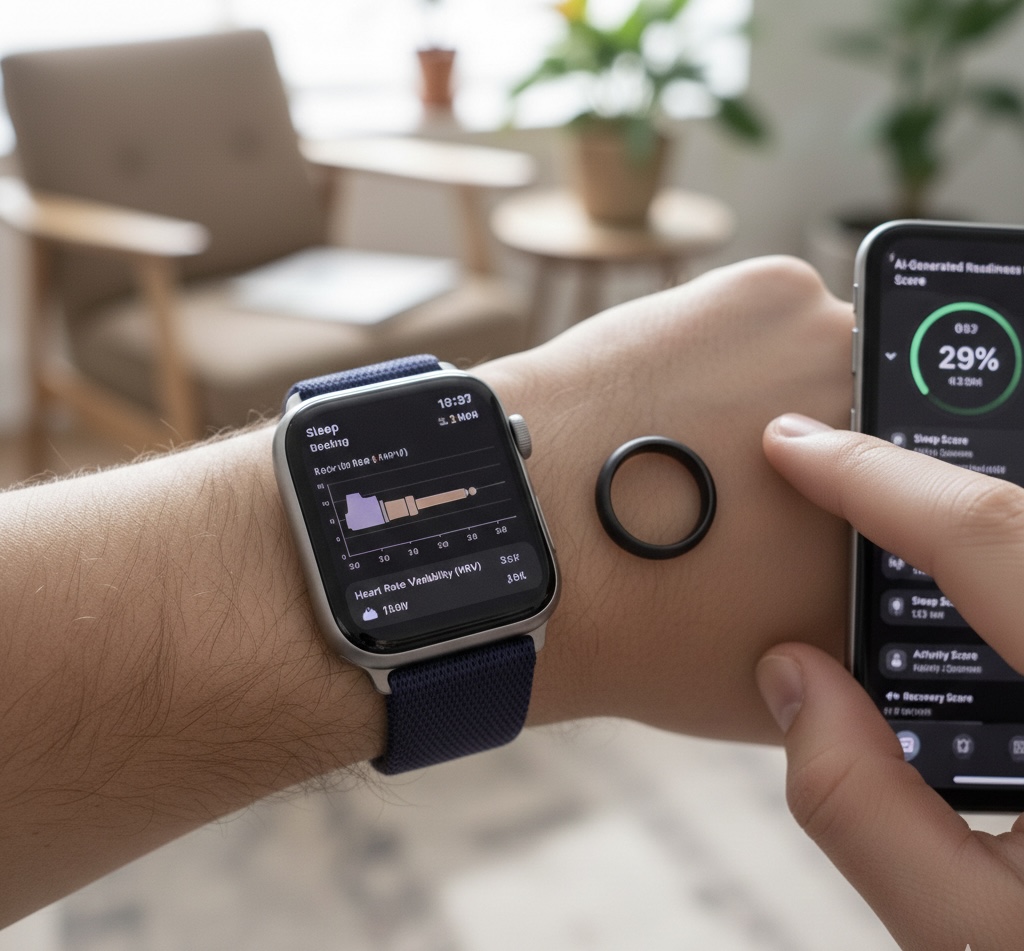
If your resting heart rate is typically 55 bpm and it suddenly climbs to 65 for three consecutive mornings, the AI flags this as significant even though 65 is “normal” for the general population. It might prompt you to check for early signs of illness, dehydration, or unusual stress—potentially catching issues before they become problems.
The fall detection and crash detection features use machine learning to distinguish between actual emergencies and everyday movements. The AI has learned from millions of data points what a genuine fall looks like versus sitting down quickly or taking off a backpack. This personalized approach dramatically reduces false alarms while ensuring real emergencies trigger immediate help.
Oura Ring: Sleep and Recovery Reinvented
While Apple Watch excels at active monitoring, the Oura Ring specializes in sleep and recovery insights. This sleek ring uses AI to analyze your sleep architecture, body temperature trends, and heart rate variability to generate a daily “readiness score” that tells you how prepared your body is for the day ahead.
What makes Oura’s AI remarkable is its understanding of your personal trends. It knows that you naturally run warmer during certain times of the month, or that your HRV drops after specific types of workouts. Instead of comparing you to population averages, it compares you to yourself over time, offering insights like “your body is showing early signs of needing recovery” or “you’re in an optimal window for challenging workouts.”
The AI also learns your routine and offers personalized recommendations. If it notices you sleep better when you go to bed before 10:30 PM and keep your bedroom cooler, it will nudge you toward those habits. If it detects that alcohol significantly impacts your recovery, it quantifies exactly how much, helping you make informed choices.
2. AI-Powered Nutrition Apps That End One-Size-Fits-All Diets
The era of generic meal plans is over. AI nutrition apps in 2025 create eating strategies based on how your specific body responds to different foods, not how the average person responds.
Continuous Glucose Monitors Meet AI
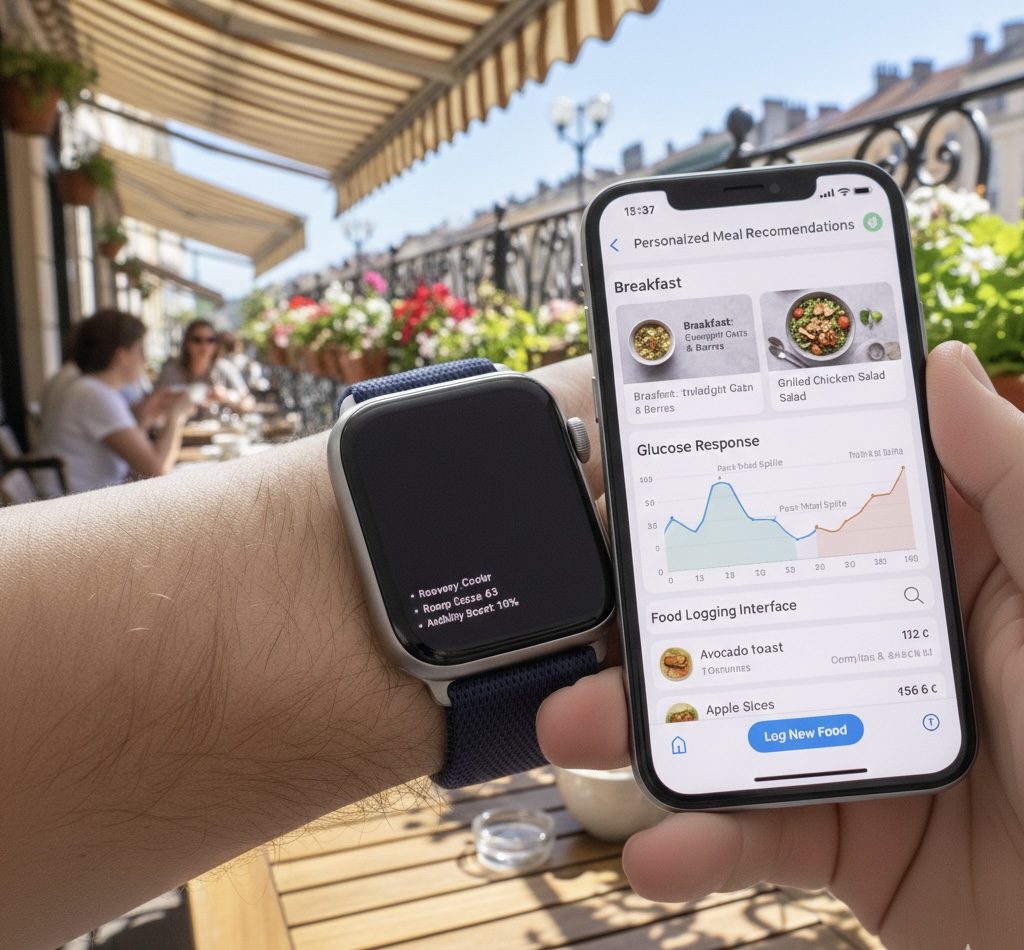
Apps like Levels and Nutrisense pair continuous glucose monitors with AI analysis to show you exactly how different foods affect your blood sugar. This matters because two people can eat identical meals and have completely different glucose responses based on their metabolism, gut microbiome, and activity levels.
The AI learns your patterns over weeks. It discovers that you handle sweet potatoes better than white rice, or that eating protein before carbs stabilizes your energy. It identifies foods that spike your glucose (causing crashes and cravings later) versus foods that keep you steady. Over time, you develop a personalized “food map” showing what actually works for your body, not what works in theory.
Personalized Meal Planning with Machine Learning
Apps like Eat This Much and PlateJoy use AI to create meal plans that consider your nutritional needs, taste preferences, cooking skills, budget, and even what’s already in your fridge. But they go deeper than basic preference matching.
The AI learns from your feedback. If you consistently skip breakfast meals with eggs, it adapts. If you love Thai food, it incorporates more of those flavors. If you’re training for a marathon, it adjusts macronutrients automatically based on your activity level that day. The meal plan evolves with you rather than keeping you locked into a rigid system that doesn’t fit your life.
Some advanced apps integrate with wearable data, adjusting your nutrition recommendations based on your sleep quality, stress levels, and recovery needs detected by your smartwatch. Bad sleep last night? The AI might suggest lighter meals and more hydration. Crushing your workouts? It increases protein and complex carbs.
3. Mental Health Support That’s Always Available
Mental healthcare has traditionally been limited by appointment availability and cost. AI mental health tools aren’t replacing therapists—they’re making support accessible during the 167 hours per week when you’re not in session.
AI Mood Tracking and Pattern Recognition
Apps like Woebot and Wysa use conversational AI trained in cognitive behavioral therapy techniques to provide immediate support during difficult moments. They check in daily, ask about your mood and thoughts, and help you work through challenges using evidence-based therapeutic approaches.
What makes these tools powerful is their ability to identify patterns you might miss. The AI might notice that your mood consistently drops on Sundays, or that certain types of social interactions leave you drained. It can correlate your mental state with sleep data from your wearable, activity levels, time of day, or even weather patterns—connections that would take months to identify in traditional therapy.
The AI also personalizes its approach. If cognitive reframing techniques work well for you, it offers more of those. If mindfulness exercises resonate better, it adapts. Over time, you build a personalized toolkit of strategies that actually help you, discovered through AI analysis of what’s worked in your specific situations.
Voice Analysis for Mental Health Monitoring
Emerging AI tools can detect changes in mental health through voice analysis. Subtle shifts in speech patterns—pace, tone, word choice—can indicate depression, anxiety, or stress before you consciously recognize these feelings yourself.
Apps that incorporate this technology can alert you (and with permission, your therapist or trusted contacts) when your voice patterns suggest declining mental health. It’s like an early warning system that catches problems while they’re still manageable rather than waiting until you’re in crisis.
4. Predictive Health Alerts That Catch Problems Early
The most exciting frontier in AI healthcare is prediction—identifying health issues before they become serious.
Heart Health Monitoring and Prediction
Your smartwatch doesn’t just track your heart rate—it predicts potential problems. AI algorithms analyze heart rate variability, rhythm irregularities, and patterns over time to detect atrial fibrillation (AFib) and other conditions that significantly increase stroke risk.
Studies have shown that AI-enabled watches can identify AFib as effectively as medical-grade ECG machines, but with continuous monitoring instead of snapshot readings during doctor visits. This means catching irregular rhythms that might only occur occasionally, potentially preventing strokes and other serious complications.
Advanced AI systems can also predict cardiac events before they happen by recognizing subtle patterns in your data. A gradual decline in HRV combined with slight increases in resting heart rate and reduced exercise capacity might signal developing heart problems months before you’d notice symptoms.
Illness Prediction Before Symptoms Appear
AI analysis of wearable data can often predict when you’re getting sick before you feel symptoms. Elevated resting heart rate, decreased HRV, increased body temperature, and reduced activity levels often appear 24-48 hours before cold or flu symptoms manifest.
Apps that analyze these patterns can alert you to rest, hydrate, and take preventive measures during this crucial window. Some users report that following these early warnings and prioritizing rest actually prevents full illness from developing—your immune system wins the battle because you gave it the support it needed at the right time.
5. Personalized Fitness Programs That Evolve With You
Generic workout plans fail because they don’t adapt to your progress, recovery needs, or life circumstances. AI fitness coaches solve this by creating programs that change daily based on comprehensive data about your current state.
Dynamic Workout Adjustments
Apps like Future and Freeletics use AI to design workout programs tailored to your fitness level, goals, equipment availability, and schedule. But unlike static programs, these adapt constantly based on performance and recovery data.
Did yesterday’s workout leave you exceptionally sore? The AI adjusts today’s session to focus on active recovery. Crushing your strength targets? It increases resistance or volume progressively. Traveling with no gym access? It redesigns your program for bodyweight exercises that still progress toward your goals.
The AI also learns your preferences and what motivates you. If you hate burpees, it finds alternative exercises that target the same muscle groups. If you love outdoor running but struggle with indoor cardio, it weights your program accordingly while still ensuring balanced fitness development.
Recovery Optimization
AI-powered recovery tools analyze your workout intensity, sleep quality, stress levels, and readiness scores to determine optimal training loads. They prevent overtraining by recognizing when you need rest, and prevent undertraining by identifying when you’re ready to push harder.
This personalized recovery guidance is especially valuable for preventing injuries. The AI can spot patterns that precede injuries—perhaps your flexibility decreases and your movement quality drops when you train more than four days consecutively. It learns these individual warning signs and adjusts your program to keep you training consistently without getting hurt.
The Privacy Question: Who Owns Your Health Data?
All this personalization requires data—lots of it. Before diving deeper into AI healthcare tools, understand what you’re sharing and with whom.
Reading the Fine Print
Most health apps collect data about your activities, body metrics, location, and sometimes even voice recordings. This data powers the AI that personalizes your experience, but it also raises important questions about privacy and ownership.
Read privacy policies carefully. Who owns your health data? Can the company sell it to third parties? Is it anonymized, or could it potentially be traced back to you? What happens to your data if the company is sold or goes bankrupt?
Some companies are transparent and protective of user data. Others have concerning policies buried in terms of service. Choose apps from reputable companies with clear privacy commitments, particularly those that don’t sell user data to advertisers or insurance companies.
Taking Control of Your Information
Use privacy settings aggressively. Many apps allow you to limit data sharing while still getting personalized insights. You might be able to keep data local on your device rather than uploading it to the cloud, or opt out of research programs that use anonymized user data.
Consider the value exchange carefully. Are the insights you’re getting worth the data you’re sharing? For some people, the health benefits clearly outweigh privacy concerns. Others prefer to minimize data collection even if it means less personalization. Neither choice is wrong—it’s about making informed decisions that align with your values.
The Human Element: Why AI Enhances, Not Replaces, Healthcare Professionals
Despite all these advances, AI isn’t replacing doctors, therapists, or nutritionists. Instead, it’s creating a powerful partnership between technology and human expertise.

What AI Does Better
AI excels at continuous monitoring, pattern recognition across massive datasets, consistency in following protocols, and processing complex information quickly. It never gets tired, never has a bad day, and can consider thousands of variables simultaneously.
What Humans Do Better
Healthcare professionals provide empathy, ethical judgment, creative problem-solving, and the ability to understand context and meaning beyond data. They can interpret how you’re feeling, not just what your metrics show. They understand the complexities of your life situation, values, and goals in ways that go beyond algorithmic analysis.
A great doctor uses AI tools to enhance their practice—reviewing your wearable data before appointments, catching subtle trends, and having more informed conversations about your health. They don’t rely solely on AI, but they don’t ignore its insights either.
The Best of Both Worlds
The future of healthcare isn’t human versus machine—it’s human and machine working
together. AI provides continuous monitoring and early alerts. Healthcare professionals provide
diagnosis, treatment decisions, and the human connection that’s essential to healing. You’re
healthier because you get the benefits of both.
Getting Started: Your Personal AI Wellness Journey
Ready to explore personalized AI healthcare? Here’s how to begin without getting overwhelmed.
Start Simple
Don’t try to adopt every tool at once. Choose one area where you most want
improvement—sleep, fitness, nutrition, or general health monitoring. Pick one tool in that
category and use it consistently for at least a month before adding others.
Don’t try to adopt every tool at once. Choose one area where you most want
improvement—sleep, fitness, nutrition, or general health monitoring. Pick one tool in that
category and use it consistently for at least a month before adding others.
Track Consistently
AI personalization requires data to work. The more consistently you wear your wearable, log
meals, or check in with mental health apps, the better the AI understands you and the more
accurate its insights become.
AI personalization requires data to work. The more consistently you wear your wearable, log
meals, or check in with mental health apps, the better the AI understands you and the more
accurate its insights become.
Act on Insights
Data without action is just numbers. When your wearable suggests prioritizing recovery, actually
rest. When your nutrition app identifies foods that spike your glucose, experiment with
alternatives. The AI can identify patterns, but you have to implement changes to see results.
Start with the easiest recommendations first. Building momentum through small wins makes it
easier to tackle bigger changes later. If the AI suggests you sleep better when you’re in bed by
10:30 PM, try that before overhauling your entire evening routine.
Review and Reflect
Set aside time monthly to review your health trends. Most apps provide weekly or monthly
reports showing how you’re progressing. These reviews help you see patterns you’d miss
day-to-day and motivate continued engagement by showing concrete improvements.
Share these insights with your healthcare providers. Bringing data to appointments makes
conversations more productive and helps your doctor understand your health between visits.
Many physicians appreciate patients who actively monitor their health and provide detailed
information.
The Road Ahead: What’s Coming Next in AI Healthcare
We’re only at the beginning of the AI healthcare revolution. Here’s a glimpse of what’s on the
horizon.
Predictive Diagnostics
AI systems are being trained to identify diseases from medical imaging, often spotting signs that
human radiologists miss. In the near future, routine scans will be automatically analyzed for
early indicators of cancer, heart disease, and neurological conditions—catching problems when
they’re still easily treatable.
Personalized Drug Dosing
AI will soon optimize medication dosing based on your genetics, weight, metabolism, and other
factors. Instead of standard prescriptions, you’ll receive doses calculated specifically for your
body, maximizing effectiveness while minimizing side effects.
Virtual Health Assistants
Imagine an AI that knows your complete health history, monitors your daily metrics, and serves
as your first point of contact for health questions. It could triage symptoms, schedule appropriate
appointments, remind you about medications, and provide personalized health coaching—all
while learning continuously about what works for you.
These aren’t far-off dreams. Many are in development now and will become mainstream within
the next few years. The pace of innovation in AI healthcare is accelerating, and staying informed
helps you take advantage of new tools as they emerge.
Related Reading: Want to explore how AI can enhance other areas of your life beyond
health? Check out our comprehensive guide on using agentic AI tools to boost your productivity and reclaim your time – because wellness includes working smarter, not just harder.
FAQ About AI in Healthcare
Is AI healthcare technology accurate enough to trust with my health?
AI healthcare tools vary in accuracy, but the best ones (especially those FDA-cleared or
clinically validated) are remarkably reliable for their intended purposes. However, they’re
designed to supplement, not replace, professional medical care. Features like AFib detection on
Apple Watch have been clinically validated and can catch real problems, but they can also
produce false positives. Always confirm AI-generated health concerns with a qualified
healthcare provider before making medical decisions. Think of AI as a highly capable first alert
system that still requires human medical expertise for diagnosis and treatment.
Can insurance companies use my wearable health data against me?
In the United States, the Genetic Information Nondiscrimination Act (GINA) and HIPAA provide
some protections, but wearable data generally isn’t covered under HIPAA since consumer devices aren’t medical equipment. Some insurance companies offer premium discounts for
sharing fitness data, which is voluntary. Currently, most insurers cannot legally use health data
to deny coverage or increase premiums for existing policies, but laws vary by location and may
change. Check your app’s privacy policy and understand what data you’re sharing and with
whom before connecting health apps to any insurance programs.
How much does it cost to use AI healthcare tools?
Costs vary dramatically. Many AI features are built into devices you might already own—Apple
Watch health monitoring, for example, requires no additional subscription. Some apps are free
with basic features and charge $10-30 monthly for premium AI analysis. Continuous glucose
monitors with AI apps typically cost $200-400 monthly. Mental health AI tools range from free to
$60-80 monthly. The good news: prices are dropping as technology improves and competition
increases. Start with free or low-cost options to see what provides value before investing in
expensive tools.
Should I share my AI health data with my doctor?
Generally yes, especially if the data reveals concerning patterns or if you’re using it to track
chronic conditions. Most physicians appreciate objective data that provides context between
appointments, though some are more tech-savvy than others. Present data as supplemental
information, not as self-diagnosis. Say “my smartwatch detected irregular heart rhythms three
times this month” rather than “I have atrial fibrillation.” Good doctors welcome relevant data; if
yours dismisses legitimate health tracking, consider finding a provider who embraces
technology-assisted care.
What if AI gives me health advice that contradicts my doctor’s recommendations?
Always follow your doctor’s advice over AI-generated recommendations. AI tools don’t have
complete context about your medical history, other conditions, medications, or nuanced factors
that influence treatment decisions. If there’s a significant discrepancy, bring it to your doctor’s
attention and ask them to explain their reasoning. Sometimes the AI might catch something
worth investigating, but medical professionals have training and experience that algorithms can’t
replicate. View AI as data to discuss with your doctor, not as a replacement for their expertise.
Resources for AI Healthcare
FDA’s Digital Health Center of Excellence - The official
FDA resource for information about digital health technologies, including AI-powered medical
devices, regulatory standards, and safety guidelines for health apps and wearables.
American Medical Association’s Digital Health Implementation Guide - Comprehensive physician-developed guidance on implementing digital health tools
effectively, including AI technologies, in clinical practice and personal health management.
National Institutes of Health: AI in Medicine Research - Access to peer-reviewed
research and official announcements about artificial intelligence applications in healthcare,
providing evidence-based information about AI medical technologies and their effectiveness.